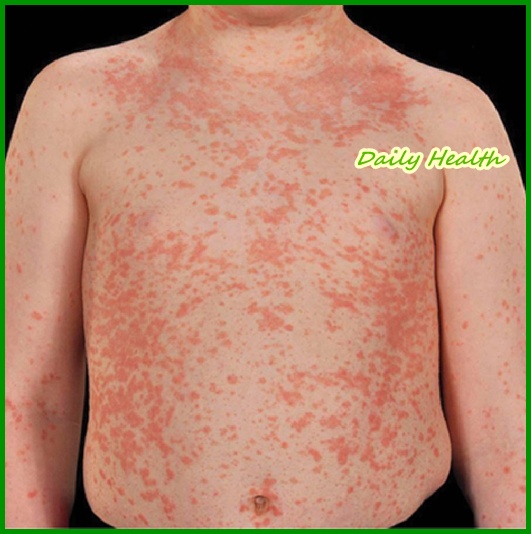
Guttate Psoriasis also known as Eruptive Psoriasis. It usually happens among children and adolescent. This type of psoriasis is the second most common after Plaque Psoriasis. It appeared in the form of separate small red spots on the skin. It may be triggered when there is bacterial infection.
Psoriasis Guttate Causes
Guttate psoriasis is triggered upon the occurrence of the following cases:
Viral and bacterial infection, including the upper respiratory infections.
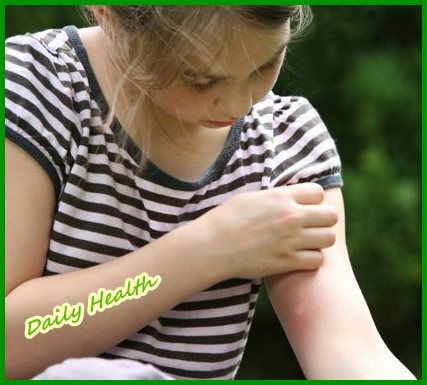
The injured skin, including cuts, burns and insects bite.
Stress.
Certain medicines, including those used to treat malaria and certain heart problems.
Excessive alcohol intake.
Sunburn.
Generally, people who have a weak immune system will experience psoriasis problem.
Psoriasis Guttate Symptoms
Guttate psoriasis symptoms include itchiness and appearance of red spots on the skin. It also looks like teardrops. The spots are covered with silver and flaky scales.
This type of psoriasis usually occurs on the middle part of the body (trunk), legs and arms. Sometimes, this Guttate Psoriasis can develop on the scalp, ears and face. But it is rare compared to Plaque Psoriasis.
Psoriasis Guttate Acupuncture Treatment
According to TCM, Psoriasis Guttate usually been treated using acupuncture treatment and herbal medicine. This is because acupuncture treatment technique and herbal medicine are a natural way of healing. It does not involve any chemical usage. So, it is very safe.
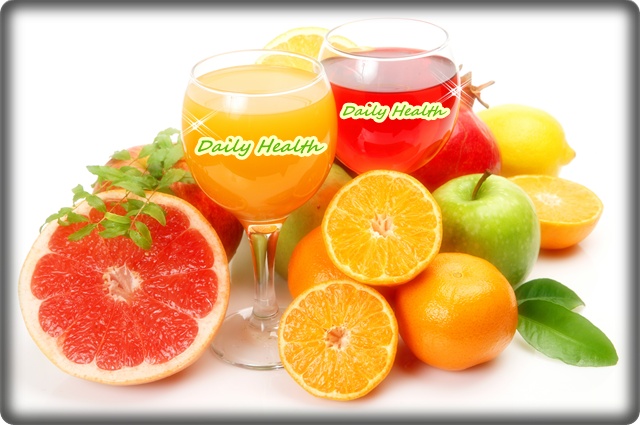
A compound in citrus fruits may reduce your stroke risk, according to research reported in Stroke: Journal of the American Heart Association. Eating higher amounts of a compound in citrus fruits, especially oranges and grapefruit, may lower ischemic stroke risk. Women who ate high amounts of the compound had a 19 percent lower risk of ischemic stroke than women who consumed the least amount.
This prospective study is one of the first in which researchers examine how consuming flavonoid sub-classes affects the risk of stroke. Flavonoids are a class of compounds present in fruits, vegetables, dark chocolate and red wine.
“Studies have shown higher fruit, vegetable and specifically vitamin C intake is associated with reduced stroke risk,” said Aedín Cassidy, Ph.D., the study’s lead author and professor of nutrition at Norwich Medical School in the University of East Anglia in Norwich, United Kingdom.
“Flavonoids are thought to provide some of that protection through several mechanisms, including improved blood vessel function and an anti-inflammatory effect.”
Cassidy and colleagues used 14-years of follow-up data from the Nurse’s Health Study, which included 69,622 women who reported their food intake, including details on fruit and vegetable consumption every four years. Researchers examined the relationship of the six main subclasses of flavonoids commonly consumed in the U.S. diet — flavanones, anthocyanins, flavan-3-ols, flavonoid polymers, flavonols and flavones — with risk of ischemic, hemorrhagic and total stroke.
As expected, the researchers didn’t find a beneficial association between total flavonoid consumption and stroke risk, as the biological activity of the sub-classes differ. However, they found that women who ate high amounts of flavanones in citrus had a 19 percent lower risk of blood clot-related (ischemic) stroke than women who consumed the least amounts.
In the study, flavanones came primarily from oranges and orange juice (82 percent) and grapefruit and grapefruit juice (14 percent). However, researchers recommended that consumers increase their citrus fruit intake, rather than juice, due to the high sugar content of commercial fruit juices.
A previous study found that citrus fruit and juice intake, but not intake of other fruits, protected against risk of ischemic stroke and intracerebral hemorrhage. Another study found no association between yellow and orange fruits and stroke risk, but did link increased consumption of white fruits like apples and pears with lower stroke risk. An additional study found that Swedish women who ate the highest levels of antioxidants — about 50 percent from fruits and vegetables — had fewer strokes than those with lower antioxidant levels.
More studies are needed to confirm the association between flavanone consumption and stroke risk, and to gain a better understanding about why the association occurs, the authors said.
P/S: For those who already suffered from Stroke, you can use this alternative way to speed up the healing process, Acupuncture.
When it comes to Eczema or Autism, there are a lot of things that we must concern about. And surely, the most important one is FOOD!
If the food is not suitable to them, it may increased the symptoms of their illness.
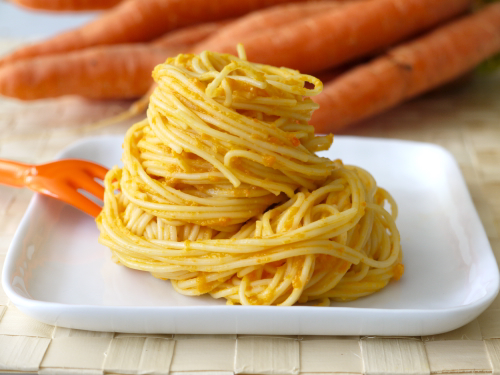
So, today I wanna share with you a recipe that very suitable for Autism or Eczema kids and adults. It’s dairy-free and gluten-free.
LOOK VERY DELICIOUS, RIGHT ? 😎
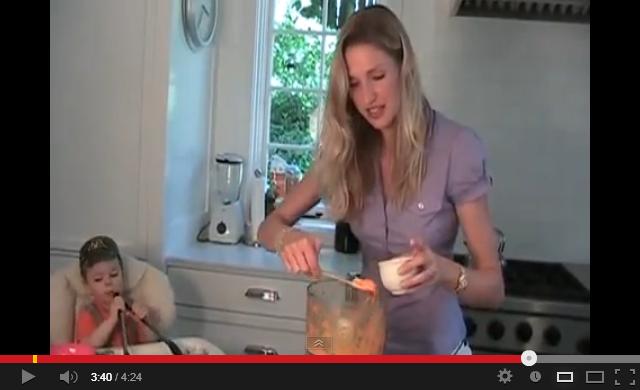
The preparation time for this sauce is 17 minutes only. It’s fast and sooooo easy ! 😉
Here are the Ingredients:
1 tablespoon canola oil 2 garlic cloves, peeled and minced 1 tablespoon ginger, peeled and minced 4 medium carrots, peeled and chopped 2 tablespoons miso 1 tablespoon tahini 2 tablespoons water
Preparation:
1. Heat oil in a sauté pan over medium heat. 2. Add garlic and sauté until soft, about 30 seconds. 3. Add ginger and carrots. 4. Cover and cook until carrots are soft, about 15 minutes. 5. Transfer to a food processor and add the miso, tahini and water. 6. Puree until smooth. 7. Serve tossed with pasta, soba, udon noodles or rice.
* Stays fresh in the refrigerator for 3-4 days. Accompaniments: Soba Noodles, Brown Rice, Pasta
P/S: You can get more important Eczema and Autism information at this Eczema Expert’s Website. Please visit the site because it may help you a lot.