Daily Health

Health for Happiness

August 4, 2015
by admin
0 comments

Curry Leaves Nutrition

This plant shrub from the Rutaceae family’s and Murraya koeniggi species, producing tiny leaves are green. Curry leaves are commonly used in cooking to add luster and Indians are the biggest users of this curry leaves.

Curry tree is also known as ‘kariveppilai’ in Tamil, also known as karipulei, curries, neem leaf and veppu-use values. In the Canada language, it is called ‘black neem’ because its leave resemble the bitter neem tree, although it has nothing to do with neem tree.

Flowering Plants Curry

The flowers are small, yellow-white and has a very fragrant aroma. Fruits are small, sparrow of eggplant, green when young and swapped into sparkling purple when ripe. The fruit can be eaten, but the seeds can be a poisons. Presumably, because the ripe fruit that is not disturbed insects or birds.

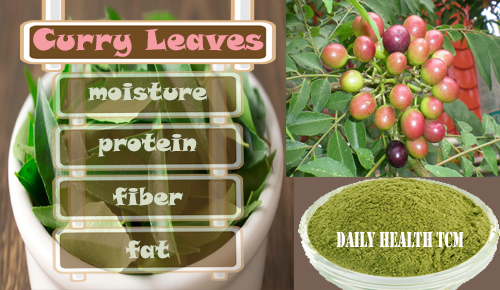
Curry tree can reproduce by seed, stem cuttings and children growing up from the roots. Apart grown in home gardens because it also leaves grown as an ornamental plant. The study found that curry leaves contain:

  • 66.3% moisture
  • 6.1% protein
  • 1.0% fat
  • 6.4% fiber

Curry leaves also contain vitamins and minerals such as calcium, phosphorus, iron, nicotinic acis and vitamin C. Curry leaves have high medicinal properties and is widely used in Ayurvedic medicine in India. Curry leaves have values as an antioxidant, anti-diabetic, antimicrobial, anti-inflammatory, hepatoprotective, anti-hypercholesterolemia and others. Curry leaves are also prevent gray hair. Bark, leaves and roots of curry leaves are used as a tonic. The young leaves can also be eaten raw.

Curry Leaf Efficacy Fix the Problems of Nausea and Dizziness

Curry leaves can be used as a tonic herb for strengthening the stomach and enhance its capabilities and overcome digestive problems. It can also be used as a laxative weak to overcome constipation. Curry leaves are also effective in dealing with menstrual problems and gonorrhea, relieve nausea and lightheadedness in women pregnant.

A decoction of the bark is dry it can be used to treat diabetes. Practice takes 10 leaves every day for 3 months is said to prevent diabetes due to heredity and obesity.

Curry Leaves Nutrition in Medicine

In terms of medical, nutrition curry leaves is very effective in addressing the problems of menstruation and gonorrhea, relieve nausea and lightheadedness for women who are pregnant and cure diarrhea and bloody diarrhea disease. In addition, the efficacy of curry leaves is also good for blood circulation and can act as a sedative.

Curry Leaf Nourishment into Diabetic Medicine

If your family has a problem hereditary diabetes try to practice eating curry leaves for 3 months without a cook or boil it, do it as a side dish God willing, will be cured of the disease.

It is okay to eat as you eat raw salad or pegaga because it would be digested in your abdomen naturally. Practice do not need to use boiled as it will turn off the enzyme and become ineffective.
Curry leaves

July 31, 2015
by admin
0 comments

Endometriosis Health for Women

What is Endometriosis?

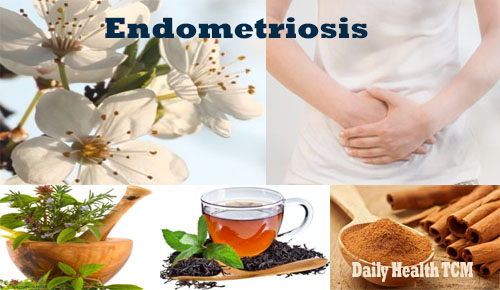
Endometriosis is a condition that affects a woman’s reproductive organs. Endometriosis is usually a long-lasting (chronic) disease. When women have endometriosis, the type of tissue like that lines the uterus is also growing outside the uterus. The clumps of tissue (called implants) may have grown on the ovaries or fallopian tubes, the outer wall of the uterus, the intestines, or other organs in the bally. In rare cases they spread to areas beyond the belly.

Who Gets Endometriosis?

The exact number of women who develop endometriosis is not known. This is because many women have endometriosis without symptoms, or with mild symptoms, and are never diagnosed. Investigation to diagnose endometriosis are only done if symptoms become troublesome and are not eased by initial treatment.

If symptoms develop they typically begin between the ages of 25-40. Sometimes symptoms begin in the teenage years. Endometriosis can affect any woman. However :

  • Sometimes it runs in families. Therefore, endometriosis is more common in close blood relatives of affected women.
  • Endometriosis is rare in women past the menopause, as to develop endometriosis you need oestrogen, the female hormone. Oestrogen levels fall after the menopause.
  • The combined oral contraceptive pill (often called ‘the pill’) reduces the risk of developing endometriosis. This protective effect may persist for up a year after stopping ‘the pill’.

Who is Affected by Endometriosis?

Endometriosis is rare in postmenopausal women. Studies further suggest that endometriosis is most common in taller, thin women with a low body mass index (BMI). Delaying pregnancy until an order age, never giving birth, early onset of menses, and late menopause all have been shown to increase the risk of endometriosis. It also is likely that there are genetic factors that predispose a woman to developing endometriosis, since having a first-degree relative with the condition increase the chance that a woman will developthe condition.

What are the Symptoms of Endometriosis?

  • Pain before and during periods
  • Pain with sex
  • Infertility
  • Fatigue
  • Painful urination during periods
  • Painful bowel movements during periods
  • Other gastrointestinal upsets such as diarrhea, constipation and nausea.

In addition, many women with endomeriosis suffer from:

  • Allergies
  • Chemical sensitivities
  • Frequent yeast infections

Endometriosis Treatment

Here are some traditional treatments to cure the disease of Endometriosis with acupuncture and herbs. For more details, please click this website here.

Endometriosis

July 16, 2015
by admin
0 comments

High Heels and Joint Pain

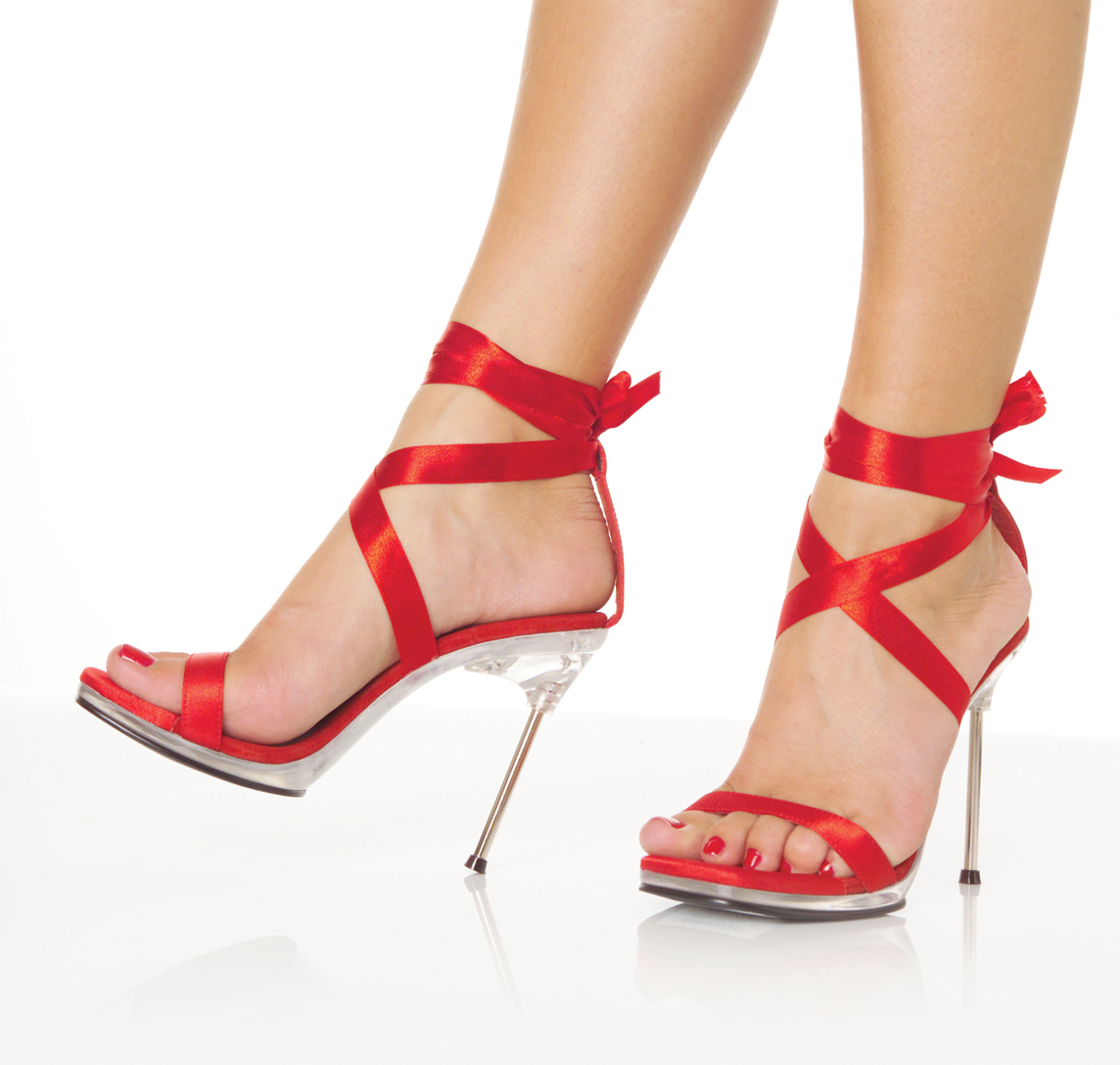
Women and shoes is absolutely inseparable. It was like the beat and track, complementary to one another. High heels, in particular, is said to enhance the elegance and self-confidence of the wearer’s exact model and executives. However, did you hear wear high heels can cause posture problems and joint pain?

Walking and Running

During walking or running, our weight is divided evenly at each joint of the hip, knee, ankle and foot. This gives balance to the body and minimal stress on muscles and joints that touches the earth every time we stand.

When we stand, we actually through 4 distinct phases known as ‘gait cycle’. It includes the phases of shock heel (heel-strike), up phase (stand phase), phase push your toes (toe-off) and the swing phase of walking (swing phase). Changes from one phase to the next phase involves different muscle contractions and joint mobility and complementary. Changes in any of these parts will affect the other.

The Effect of Changes Resulting from the High Heel Shoes

When a women wearing high heels, anatomy and biomechanics of the foot and ankle joints varies with the shape of the shoe. Ankle joint will protrude forward while the toes are bent upward and diverging.

When running, the weight of the wearer will be more focused on balls of the toes just over the tripod of the ball on the first, fifth and heel bone, when walking by wearing flat shoes. Such constant pressure can lead to thickening of the skin on the ball of the root, known as callosities and toe pressure on the nerves. This resulted clutched nerve pain and sometimes numbness in the toes known as Morton’s neuroma.

To beauty the position of the toes, high heels are usually created with a tapered nozzle to allow the toes move closer to each other. If used for a long time, it can lead to problems known as hallux valgus, Bunion and bunionette.

Hallux valgus is a condition in which the toe gust, Bunion bend and cause the formation of lumps at the big toe. It really is the end of the metatarsal bone of the big toe thumb exposed as a result of the bend. Bunionette also the same situation occurs when the toes bend to fifth in the fifth metatarsal bone causes the tip become apparent. If not treated, it can cause inflammation and ulceration of the skin caused by constant  friction.

In addition, the posture legs wearing high heels cause the body to change and balance the axial load on the muscles of the calves and thighs to ensure the wearer remains stable and will not fall when standing and walking.

To ensure that the axis of the body remains balanced, the spine will be bent causing extreme lordosis and is likely to lead to chronic back pain. Disproportionate burden on the knee and hip joints can also cause arthritis or osteoarthritis at a younger age.

High-Heel-Sandals