Daily Health

Health for Happiness

May 10, 2016
by admin
0 comments

Effects of Ice Abuse

The drug problem in Malaysia and Thailand is worrying. Adolescent males and females alike. In fact they are very proud to be able to share the experience of using drugs. Cocaine is a very popular drug among young people, because it’s cheap. Or era in 2000, the ice became the most popular drugs.

Ice or Cocaine

Ice or cocaine also known as methamphetamine. It also named Glass, Crystal, Quartz, Ice Cream, Hirropon and Ice Baby. It can result in sudden weight loss and more dangerous as a stimulant to the nervous system and is a drug that has the potential to be misused and can also lead to addiction issues.

Ice Effect:

— Extreme weight loss due to reduced appetite

— Restless sleep

— Dry mouth and dental problems

— Regular colds or flu

— Trouble concentrating

— Breathlessness

— Muscle stiffness

Anxiety, paranoia and violence

— Depression

— Heart and kidney problems

— Higher risk of stroke

— Needing to use more to get the same effect

— Financial, work or social problems

— Feelings of pleasure and confidence

— Increased alertness and energy

— Repeating simple actions like itching and scratching

— Enlarge pupils and dry mouth

— Teeth grinding and excessive sweating

— Fast heart rate and breathing

— Reduced appetite

— Increased sex drive

Fact: The Effects of Cocaine on Health

Mental and emotional: Crazy caused hallucinations and delusions in order to commit suicide, anxiety, irritability, nervousness, confusion, agitation and violent. At high doses increase the body temperature to dangerous levels, causing convulsions and ultimately death.

Head: Dry mouth, sweating, enlarge pupils, tremor and headache, dopamine in the brain is less active, the nerves in the brain to cause a stroke or break paralysis.

Physical: User does not slept for three to 15 days, loss of appetite and weight loss, sweating, pale, neglect their health, body odor, yellowish teeth, scars and wounds on the body. Clearly visible sores caused by scratching the skin methamphetamine users to remove the shadow of an insect that seems to be on the skin. Low resistance to diseases caused by
neglect of health.

Nerves: Damage to the nervous system and the brain can cause symptoms such as Parkinson’s disease (with limb movement disorder) and Alzheimer disease (with the function of the brain become weak and dementia).

Heart and blood vessels: Damage to the heart beats faster as a result, uncertainty and increase in blood pressure causing heart disease and death. The blood vessels rupture due to corrosive chemicals methamphetamine blood vessel walls.

Stomach and digestive system: Having food channel interference and starvation lasted reason not to eat when taking cocaine; toxic substances in the drug is mixed with other materials to cause disruption to the stomach and digestive system.

Reproductive system (women): Taking cocaine during pregnancy will affect the formation of the baby, born before maturity or miscarriage; the baby is born is a small, very active, easily agitated and is feared to have mental problems and growth.

Recovering from Ice Addiction

The Tole Acupuncture can help someone you know who has been addicted to ice recover a sober, enjoyable life once again. Find out how it can help someone you care about. Click here for more information Herbal Medical Centre

Ice Abuse

March 23, 2016
by admin
0 comments

Heat Stroke

What is Heat Stroke?

Heat stroke or heat shock is a disease associated with a very serious heat (Heat Illness Extraordinary). It is a life-threatening medical emergency resulting from a failure of regulation of body temperature (thermoregulation). Unlike other heat illness, heat stroke is characterized by extreme elevation of body temperature (hyperthermia) and related dysfunction of the central nervous system and organ failure.

Heat stroke often occurs as a progression from milder heat-related illness such as heat cramps, heat syncope (fainting), and heat exhaustion. But it can strike even if people have no previous signs of heat injury.

Typically, the process of sweating and facilitate sweat evaporation cooling of the body. In extreme temperature that exceed 90°F (32.2°C), the amount of heat generated exceeds the cooling effect of evaporation of sweat. Similarly, if the humidity reaches 100%, evaporation of sweat is no longer possible, and the body loses its ability to reduce the heat. Finally, increased body temperature, leading to a dehydration severe and may lead to death.

Complications or severe condition that can occur due to the complex problems related to heat are:

  • Conditions are too severe can cause dehydration (drought)
  • Confusion, and coma (unconsciousness)
  • Swelling of brain tissue
  • Damage to body organs such as kidney, heart and liver
  • Heat stroke can cause the death

Risk Factors for Heat Stroke

Everyone is at risk of heat-related health problems. In general, prolonged exposure to temperature above 90°F (32.2°C) or humidity above 60% the risk of heat-related illness. However, certain groups are more at risk for health effects. These groups include:

  • Children aged 5 and under
  • People suffering from respiratory and heart
  • People suffering from high blood pressure, diabetes and disease of the thyroid glands
  • They were involved in activities such as physical activity of workers, farmers, athletes, soldiers and others
  • Adults (people aged 40 years and older is 10 times more at risk than younger people)
  • The risk increase if they wear a thick and tight preventing heat out of the evaporation / drying sweat

Heatstroke Symptoms

  • High body temperature.
  • Altered mental state or behavior.
  • Alteration in sweating.
  • Nausea and vomiting. .
  • Flushed skin.
  • Rapid breathing.
  • Racing heart rate.
  • Headache.

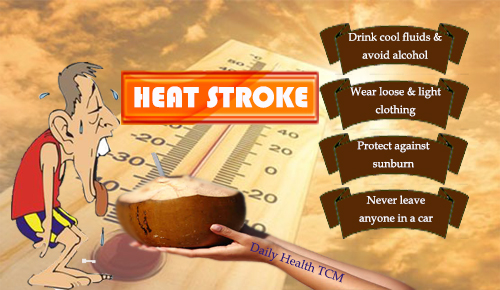
Prevention

When the weather is extreme heat :

  • Limit outdoor activities
  • Wear a hat or large umbrella
  • Drink plenty of fluids, regardless of your activity level
  • Take frequent breaks in the shade and cool
  • Bathroom fan or open to breathtaking body
  • Located in a sheltered spot, such as in home / building
  • Wear lightweight, light-colored and loose-fitting
  • Use clothing made of cotton and use sunscreen lotion
  • Drinking isotonic drinks or coconut water because it can replace the salt and minerals lost during sweating

Prohibition

Avoid extreme hot weather of :

  • Drink beverages containing caffeine, alcohol, or large amount of sugar
  • Do not allow yourself to thirst and the body of water shortage
  • Avoid being in the open when the weather is hot
  • Letting someone in the car with tight lids
  • Exercise and activity in a hot environment

Treatment

How to overcome the problems and dangers due to hot weather

  • Get help if the situation can not be controlled
  • Place the cloth wet and cold on the body
  • Hot air out of the area
  • Remove tight clothing
  • Drink water every 15 minutes
  • Get out of the heat
  • Avoid vigorous physical activity for a while

 Heat stroke

March 2, 2016
by admin
0 comments

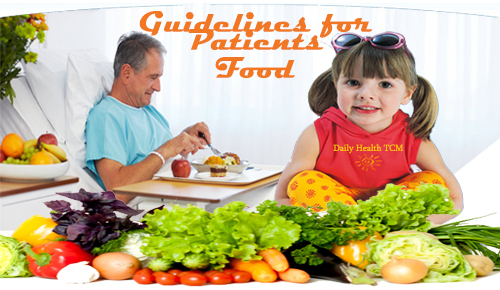
Guidelines for Bringing Food into Hospital

Get a doctor’s permission

Before people want to bring any souvenirs, they must get confirmation views and clinicians involved the patients care. This is because in order to make sure that the souvenirs that bring it (whether food or goods) will not affect the patient’s condition became worse. For example, the patient may be allergic to some particular type of food, pollen allergies, infections acquired from outside and also things that can affect mental and physical health of the patient’s ongoing care. Any advice and prohibition a physician is based on knowledge and experience of health patients. As a simple example, if a doctor forbade us to carry mineral water from home, this may be easy or patients already affected by water pollution in the home and residence.

Patients Who are Fasting

Some patients who have been admitted will probably undergo a fasting phase or nil by mouth (NBM). NBM is not a process that operate as an individual fasting in Ramadan.  The term refers to the NBM more restrictions on food or drink by mouth (orally), nose (nasal) and channels in the stomach (gastro). It aims to:

  • Empty the stomach
  • Avoid aspiration (entry of food or drink into the lungs)
  • Relaxing activities gastrointestinal
  • Avoid contraindications and complications of treatment
  • Pre-surgery and post-surgery

In the case of the NBM, the patient is absolutely forbidden to take any food and drink, even in small quantities, except with the permission of a doctor, nurse or dietician. Various complications can happen to patients if NBM phase is ignored. Unfortunately, there are some specialist out there that give patients food and drink for contraband as compassion. But they do not know that if the food into the lungs of the patient, the effect is severe and patients likely require intubation (breathing tube entry) and a mechanical breathing machine. Do not worry, NBM only done by a certain time period only. After the completion of this phase of the NBM, the patient will be allowed to eat and drink according to the patient’s condition.

Nutrition Limits

There are also some cases that require patients to be given food and drink at a limited rate. Usually it is held as restriction of fluid (ROF) and is often done to patients who have heart and breathing problems and obese patient. This is to control weight, fluid content in the body so it does not affect the normal function of the body systems. Each production and consumption of the liquid by the patient will be written and record in detail. For example. patients with heart failure should be restricted fluid intake in order to reduce the burden of the heart pump blood through body.

The hospital will only encourage practices that have been identified for the medical properties of the patient’s health. For example,  the practice of taking a drink 100 Plus and papaya leaves juice is a diet that is recommended for dengue patients. This is because drink 100 Plus was able to increase the levels of electrolytes in the blood, and the juice of papaya leaves has been studied to increase the number of platelets in the blood. It is not a 100% guarantee, but it is helpful in increasing the effectiveness of treatment.

Similarly, the case of high-protein foods such as eggs for patients suffering from wounds (surgery or trauma). Scientifically, protein helps in wound healing and cell  formation was hurt. However, there are some people who argue that foods such as eggs will cause irritation to the wound. So, anything recommended by health experts is to recommend high-protein foods such as meat and fish meat.

Guiedelines for Patients Food