
Daily Health

Health for Happiness

April 2, 2013
by admin
0 comments

A 10 year old Aspergers Kid

aspergers syndrome kid


What is Asperger Syndrome?
Aspergers Syndrome is a developmental disorder where the individual usually behaved odd, and may not fit in well with people around them. This syndrome is not classified as mental illness because it is not related to brain cells disorder. Adult also may suffer from asperger syndrome but they still can learn how to make friends, doing something useful and may live the life successfully. In this situation, boys are having higher chance to get asperger syndrome than girls.


Asperger’s Syndrome Symptoms

Symptoms during Childhood

  • Do not have real eye contact. They just staring at others.
  • Do not like to change their routine.
  • Having abnormal postures or facial expressions.
  • Will become over stimulated or being very sensitive by lights, loud noises, and textures or strong tastes.
  • Always in one-sided conversations.
  • Only talks about their favorite subjects.
  • They may be late in learning such as how to catch a ball, riding bicycle, using fork and spoon, or writing because they have delayed motor development.
  • They may lack in social skills because they cannot understand others’ body language and conversations.
  • They cannot recognize the speech tone. So, this will make them not understand whether someone is angry or joking.

Symptoms during Adolescents or Teen Years

  • They will continue having problem in reading others’ behavior even though they can begin to learn those social skills they lack.
  • Feel very shy when trying to approach other teens although they really wanted friends.
  • Being naive and too trusting will cause they look immature and will lead to bullying.
  • Some teens with asperger may have a few close friends through school years but they usually not really interested in social norms, fads, or conventional thinking. This allowing them to have creative thinking and achieving the real goals and interest.

Symptoms during Adulthood

Although Asperger Syndrome is a lifelong condition, they still can obtain a better understanding of their own weaknesses and strengths. Adult with Asperger Syndrome also married and having children.

Because of their attitude such as giving full attention to detail and focused interests, they are having higher chances to success in university and their career. Mostly, people with Asperger Syndrome are impressed with technology. So, no wonder if they often choose engineering as their career field.


Symptoms of Asperger’s include: impaired ability to utilize social cues such as body language, irony, or other subtext of communication; restricted eye contact and socialization; limited range of encyclopedic interests; preservative, odd behaviors; didactic, verbose, monotone, droning voice; concrete thinking; over-sensitivity to certain stimuli; and unusual movements but they can speak and do respond to others at time. These Asperger’s kids can be very clever at some things and not responding with others.


April 1, 2013
by admin
0 comments

10 Best Foods for Your Body

Food can do a lot more than simply satiate and satisfy. We’ve gathered grub that is great for your hair, skin, eyes, heart, and more. 🙂


Avocado for Shiny Hair

avocados “Long touted as the miracle hair food, they’re high in vitamins B and E which promote a healthy scalp and the growth of new strands,” says Cynthia Pasquella, certified clinical nutritionist, SoCal Cleanse founder. “They’re also full of healthy, monounsaturated fats to plump up and moisturize hair follicles. Talk about shine!”


Kiwifruit for Your Bones

savor_kiwifruit Eating kiwifruit will not only help maintain clear skin, it will also promote healthy bones. Lisa Drayer, MA, RD, author of The Beauty Diet, says one cup peeled kiwifruit contains more vitamin C than the equivalent amount of oranges. Plus, it neutralizes free radicals that could lead to things like cancer and heart disease.


Garbanzo Beans to Fight Grey Hair

garbanzo_beans “Since hair is primarily made up of the protein, keratin, it’s important to get enough protein to fight off hair breakage and loss,” explains Pasquella. “These beans, also known as chickpeas, provide tons along with the trace mineral manganese. It’s known to prevent changing pigmentation, a.k.a. gray hair!”


Oysters for Your Eyes

oysters Not only are oysters full of zinc and selenium, according to Drayer, the high levels of these minerals serve as an antioxidant and help protect you against eye-related disease.


Cilantro to Prevent Hair Loss

cilantro “This herb works wonders for hair loss!” says Pasquella. “It works as a purifying agent to rid the body of toxic metals quickly. A good thing, since they can stop nutrients from getting to your scalp, resulting in hair loss and dull strands.”


Salmon for Your Heart

Salmon Diets high in omega-3 fatty acids protect against heart disease. A study from Diabetes & Metabolism found that omega-3s keep the stress hormones cortisol and adrenaline from peaking.


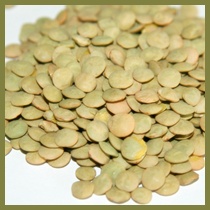
Lentils for Hair Growth

lentils “They’re an ideal source of iron, which is so important for full, lustrous locks!” exclaims Pasquella. “Iron helps bring oxygen to the hair follicles, leading to growth and fullness. This is especially key if you have thin hair.”


Ginger, Turmeric, Cocoa, Cayenne, and Cinnamon for Your Blood

ginger tumeric cocoa These spices have potent antioxidant and anti-inflammatory effects on the body, says Paula Simpson, BASc, RNCP. They also help balance blood sugar and can be easily incorporated into beverages or even food.


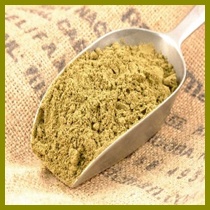
Hemp Powder for Dry Scalp

Hemp Powder “Add a scoop to a smoothie to infuse your hair with essential fatty acids,” suggests Pasquella. “This fortifier has the optimal ratio of omega-6 and -3 fatty acids, letting them work most effectively. Insuffiecient amounts of either can lead to a dry scalp and brittle hair.”


Banana for Your Libido

bananas Loaded with B vitamins, the well-hung fruit helps boost testosterone. According to Lynn Nezin, co-author of Great Food, Great Sex, low testosterone levels can make for a sluggish sex drive in men and women.


For more Health Tips, you can visit here: Daily Health TCM or  http://www.thetole.org/

If you have any problem about health, you can straight away contact the expert here: orderherbs@thetole.org

March 29, 2013
by admin
0 comments

Trouble Sleeping

Resolve your trouble sleeping with these expert tips:

Not getting enough sleep has to be one of the biggest bugbears for woman everywhere. But if you have trouble sleeping there are steps you can take throughout the day to ensure you get a good night’s rest (and not one of them involves popping a pill).

We spoke to one of the best rested sleep experts, Dr Nerina Ramlakhan to find out her advice for women. Being a a sleep expert for Silentnight, a psychologist, author, consultant and sleep therapist at Capio Nightingale Hospital, London, we thought she may know a thing or two. We were right…

‘There are many issues affecting women today that can have a detrimental impact on sleep – from career pressures, relationship issues, lack of exercise, poor diet and excessive alcohol to wider value conflicts, when people find themselves living a life which they don’t seem to fit any longer.

Technology such as smart phones, tablets and laptops have also started to play a significant role in affecting sleep patterns. Spending too much time on social media sites in the evening, working in bed on a lap top and checking phone messages during the night are all factors which can affect quality sleep.

It is important to practice good sleep routines to optimise sleep quality. Here are some tips to help you break away from the stresses and strains of your day and improve your sleep:

Take regular breaks during the day 

  • Try to take a lunch break of between 20-30 minutes. Use the time to walk, stretch and recharge mentally. Try to avoid checking emails or surfing the internet during this time.

Follow a regular wind down routine 

  • Get into the habit of winding down every night before bed by reading a book, listening to music or having a relaxing bath. Delay going to bed if you feel tense.

Manage the work/home boundaries

  • Try not to let work talk spill over into your entire evening and bedtime. Allow your mind to wind down and switch off.

Time management

  • Write a to do list before leaving work rather than at the beginning of the day. This stops you worrying about work in the evening and you are less likely to wake up in the night worrying about tasks that need to be done.

Exercise 

  • Regular exercise is the most effective way of reducing stress hormone levels, enabling you to sleep more deeply.

Minimize stimulants

  • Caffeine has a direct impact on reducing sleep quality. It can take up to 10 hours to remove the caffeine from your body from one tea or coffee. If you are having trouble sleeping minimize caffeine and drink more water or herbal teas. Alcohol can also impair deep sleep quality.

Waking up in the night

  • Avoid looking at the clock and registering the time as this will make you worry further. Lie on your back and try to consciously relax each part of your body starting from your toes, working up to your head and your face whilst breathing deeply from your diaphragm.

Power nap

  • Short naps of 5-15 minutes have been proven to be very effective at promoting energy renewal. A power nap involves relaxing into a near sleep state without actually falling asleep and still being aware of your surroundings.

Sleep environment 

  • Keep your sleep environment free of clutter and junk. Don’t bring work into your bedroom and keep your laptop and phone out of your bed. The ideal temperature is slightly cool so keep windows slightly open or have a fan in the room.

Good rest vs. poor sleep 

  • The more pressure that we put on ourselves to sleep, the less likely we are to actually fall asleep. This may be the case the night before a big work event or getting up early to catch a plane. In these situations it is often helpful to replace the word ‘sleep’ with ‘rest’ – so tell yourself ‘It doesn’t matter if I don’t sleep tonight, I’m going to use the time to rest.’

sleeping problem

For more information and sleep advice from the experts, please visit: http://www.thetole.org/